

What is hash and how is it generally described?
Hash is a concentrated cannabis-derived material traditionally produced by collecting and compressing resin-rich trichomes from cannabis flowers. When discussing Hash, it is useful to understand that its characteristics can differ considerably depending on the plant material, preparation technique, storage environment, and physical handling. Unlike dried cannabis flower, hash has a denser texture and a more concentrated appearance. Its traditional use has been documented across different regions and cultures, making it an interesting subject from botanical, historical, and material perspectives.
Contents
- What is hash and how is it generally described?
- What gives hash its distinctive appearance?
- Why are trichomes important?
- What influences the aroma of hash?
- How does texture differ between varieties?
- Does appearance confirm purity?
- How should the characteristics of hash be understood?
- What is the key takeaway?
What gives hash its distinctive appearance?
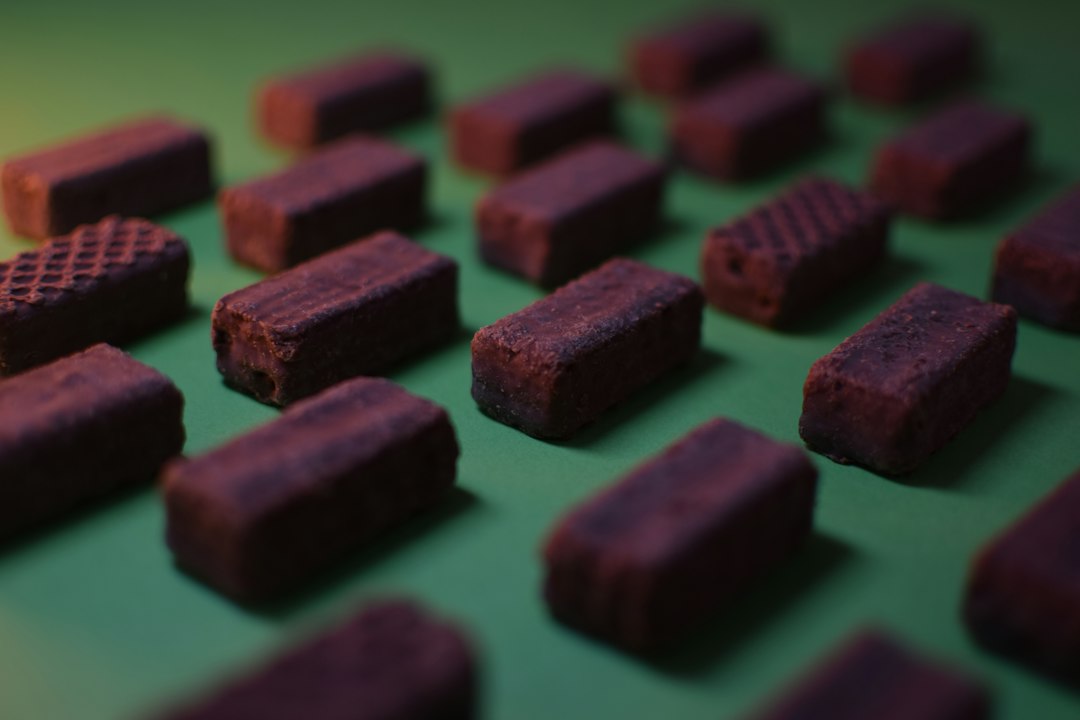
The appearance of hash can vary from pale golden or tan shades to darker brown or nearly black surfaces. Color alone does not provide a reliable indication of quality or composition. The material may appear dry and crumbly, soft and pliable, or firm and compact. These differences can develop from the source material and the methods used during processing.
Texture is another notable characteristic. Some forms remain relatively solid at room temperature, while others become softer when exposed to warmth. Changes in texture can also occur because of moisture, pressure, age, and storage conditions.
Why are trichomes important?
Trichomes are microscopic structures found on cannabis plants, particularly around the flowers. They produce and store cannabinoids, terpenes, and other plant compounds. Because hash is made primarily from collected resin-rich material, trichomes play a central role in its physical and chemical characteristics.
The density and maturity of trichomes can influence the appearance and aroma of the resulting material. Botanical factors, cultivation conditions, and harvesting practices can all affect the resin profile.
What influences the aroma of hash?
Aroma is largely associated with volatile plant compounds called terpenes. Different cannabis varieties can naturally contain different terpene profiles, resulting in herbal, earthy, floral, citrus-like, woody, or spicy aromatic notes.
Storage can also affect aroma. Exposure to heat, light, air, or excessive moisture may alter volatile compounds over time. For this reason, the original aroma of a product may change as it ages.
How does texture differ between varieties?
Texture is one of the most noticeable physical characteristics. Traditional preparations may range from dry and granular materials to soft, sticky, or pressed forms. Differences can reflect resin composition, processing pressure, environmental conditions, and storage.
A change in texture does not necessarily establish what compounds are present. Laboratory testing is needed when precise information about chemical composition is required.
Does appearance confirm purity?
No. Visual inspection cannot reliably establish purity, potency, contamination status, or safety. Similar-looking materials can have very different chemical profiles. Agricultural residues, microorganisms, unwanted substances, or processing contaminants may not be visible.
Where available, independent laboratory analysis provides a more meaningful way to understand cannabinoid and contaminant profiles.
How should the characteristics of hash be understood?
Hash is best viewed as a plant-derived concentrate with physical and chemical properties influenced by many variables. Its color, aroma, texture, and consistency can provide descriptive information, but these features should not be treated as definitive indicators of quality or safety.
What is the key takeaway?
The characteristics of hash are shaped by botanical source, resin content, preparation, storage, and environmental conditions. Understanding these factors provides a clearer perspective than relying on appearance alone. A professional assessment should distinguish observable features from verified chemical information, particularly when questions about composition or safety arise.
Key Points
- Hash is a concentrated cannabis-derived material made by compressing resin-rich trichomes from cannabis flowers.
- The appearance of hash can vary widely in color and texture, which can influence its quality and characteristics.
- Trichomes are crucial to hash because they store cannabinoids and terpenes that determine the material’s chemical and physical properties.
- Aroma in hash is linked to terpenes, and storage conditions can alter its original scent over time.
- Visual inspection cannot confirm the purity or safety of hash, as contaminants may not be visible.
- The characteristics of hash are influenced by multiple variables including botanical source, preparation methods, and storage conditions.