

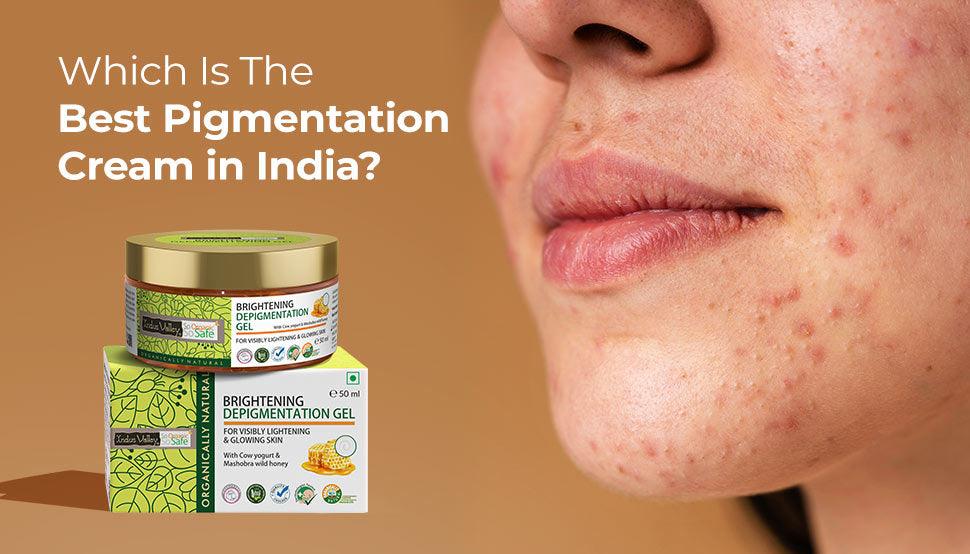
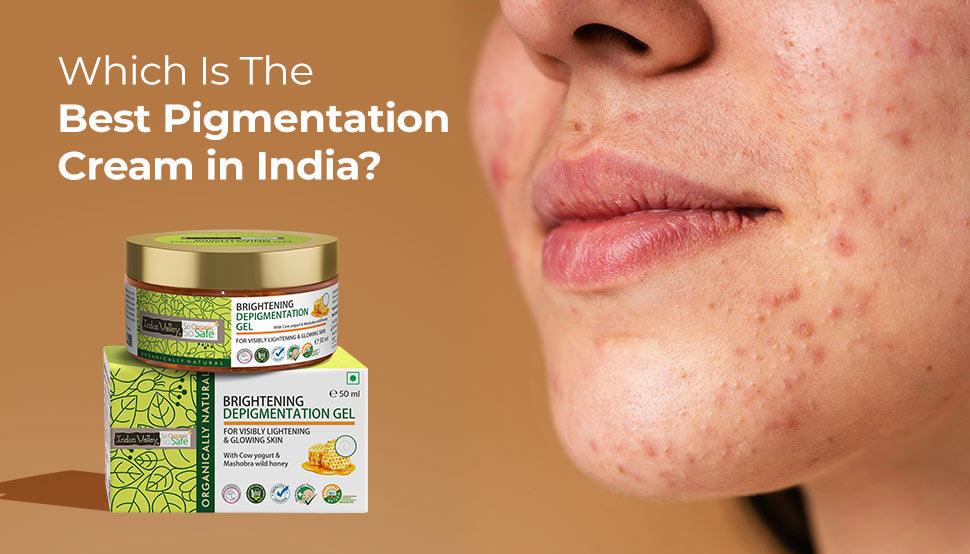
Hyperpigmentation is a common skin concern that affects people of all skin types and tones. Whether it manifests as dark spots, uneven skin tone, or patches of discoloration, finding an effective solution is crucial for achieving radiant and even-toned skin. This guide will walk you through everything you need to know to choose the best hyperpigmentation cream and the most effective strategies for treating dark spots.
Understanding Hyperpigmentation
Hyperpigmentation occurs when the skin produces excess melanin, the pigment responsible for skin color. This overproduction can be triggered by various factors, including sun exposure, hormonal changes, acne scars, aging, and inflammation. While hyperpigmentation is not harmful, it can impact confidence and self-esteem, making it important to address through proper skincare.
There are several types of hyperpigmentation to be aware of. Sun spots, also known as solar lentigines, are caused by prolonged exposure to ultraviolet (UV) rays. Post-inflammatory hyperpigmentation occurs after an injury or skin irritation, such as acne or eczema. Melasma is another form that often appears during hormonal changes, such as pregnancy or while taking certain medications. Identifying the type of hyperpigmentation you have is the first step in selecting the most effective hyperpigmentation cream.
Key Ingredients to Look for in a Hyperpigmentation Cream
When choosing the best hyperpigmentation cream, the active ingredients play a pivotal role in effectiveness. Certain compounds are particularly well-known for their ability to target dark spots and improve skin tone.
- Vitamin C is a powerful antioxidant that brightens skin and reduces the appearance of dark spots by inhibiting melanin production.
- Niacinamide helps regulate pigment production, reduces redness, and improves overall skin texture.
- Hydroquinone is a potent lightening agent often recommended for stubborn hyperpigmentation, but it should be used under guidance due to potential side effects with long-term use.
- Kojic acid helps lighten pigmentation by interfering with the production of melanin.
- Alpha arbutin is a gentler alternative to hydroquinone and works effectively to fade dark spots over time.
- Retinoids boost cell turnover, helping to fade discoloration and encourage smoother, more even skin.
Understanding the role of these ingredients can help you make informed decisions when selecting the best products for dark spots.
Matching a Hyperpigmentation Cream to Your Skin Type
Choosing a hyperpigmentation cream also involves considering your skin type. Not all creams are suitable for every skin type, and using the wrong product may lead to irritation or worsen existing discoloration.
- Oily Skin: Lightweight, non-comedogenic creams or gels with niacinamide or vitamin C are ideal. Avoid heavy creams that may clog pores.
- Dry Skin: Creams with hydrating ingredients like hyaluronic acid, glycerin, or ceramides can help maintain moisture while treating dark spots.
- Sensitive Skin: Look for creams with gentle ingredients such as alpha arbutin or niacinamide. Avoid strong acids and high concentrations of retinoids until your skin builds tolerance.
- Combination Skin: A balanced formula with both hydrating and brightening properties ensures even treatment across different areas of the face.
Tailoring your hyperpigmentation cream to your skin type ensures maximum effectiveness while minimizing potential side effects.
Application Tips for Best Results
Even the most effective hyperpigmentation cream can fail if not applied correctly. Here are some tips to maximize results:
- Cleanse Thoroughly: Start with a clean face to remove impurities, oil, and makeup that could block active ingredients.
- Patch Test: Apply a small amount on a discreet area to test for sensitivity before regular use.
- Apply evenly: Use a small amount of cream on affected areas and gently massage until fully absorbed.
- Consistency is Key: Most hyperpigmentation treatments require at least 8 to 12 weeks of consistent use to show noticeable results.
- Sun Protection: Sunscreen is essential when using hyperpigmentation creams, as UV exposure can worsen dark spots and reduce the effectiveness of active ingredients.
Following these steps ensures that your treatment is both safe and effective.
Combining Treatments for Enhanced Results
Sometimes a single hyperpigmentation cream may not be enough. Combining treatments or incorporating complementary products can accelerate results. For instance, pairing a topical cream with gentle exfoliation can help remove dead skin cells and enhance the penetration of active ingredients. Chemical exfoliants like AHAs or BHAs may be introduced gradually to avoid irritation.
Additionally, lifestyle factors play a role in the effectiveness of hyperpigmentation treatments. Maintaining a healthy diet, staying hydrated, and avoiding excessive sun exposure support skin healing and prevent new dark spots from forming. While creams are essential, a holistic approach to skincare ensures long-term results.
Common Mistakes to Avoid
Many people unknowingly slow down their progress due to common mistakes when using hyperpigmentation creams:
- Skipping Sunscreen: Sun exposure can undo all progress and cause new pigmentation.
- Overusing Active Ingredients: Applying too much cream or using multiple strong products simultaneously can irritate skin and worsen pigmentation.
- Impatience: Hyperpigmentation treatment takes time; expecting immediate results often leads to misuse or discontinuation.
- Ignoring Skin Sensitivity: Using harsh products on sensitive areas can cause inflammation and worsen discoloration.
Being aware of these pitfalls can help you maintain a safe and effective treatment routine.
Evaluating the Effectiveness of a Hyperpigmentation Cream
When assessing a cream’s performance, look for visible improvements in skin tone, reduction of dark spots, and an overall brighter complexion. While some results may appear in a few weeks, significant changes usually take two to three months. Keeping track of progress with photos can provide motivation and help you adjust your routine if needed.
Additionally, reviews and recommendations can guide your decision-making, but personal experience is the most important factor. Every skin type responds differently, so patience and consistency are essential when evaluating results.
Choosing the best hyperpigmentation cream requires a combination of understanding your skin, knowing effective ingredients, and applying products consistently. By selecting creams tailored to your skin type, using them correctly, and complementing them with protective measures like sunscreen and gentle exfoliation, you can achieve noticeable improvements in dark spots and overall skin tone.
Remember, hyperpigmentation is common and manageable with the right approach. With dedication and informed choices, it is possible to restore a luminous, even complexion. For those seeking the best products for dark spots, investing in the right cream and following a structured skincare routine can make a remarkable difference over time.