

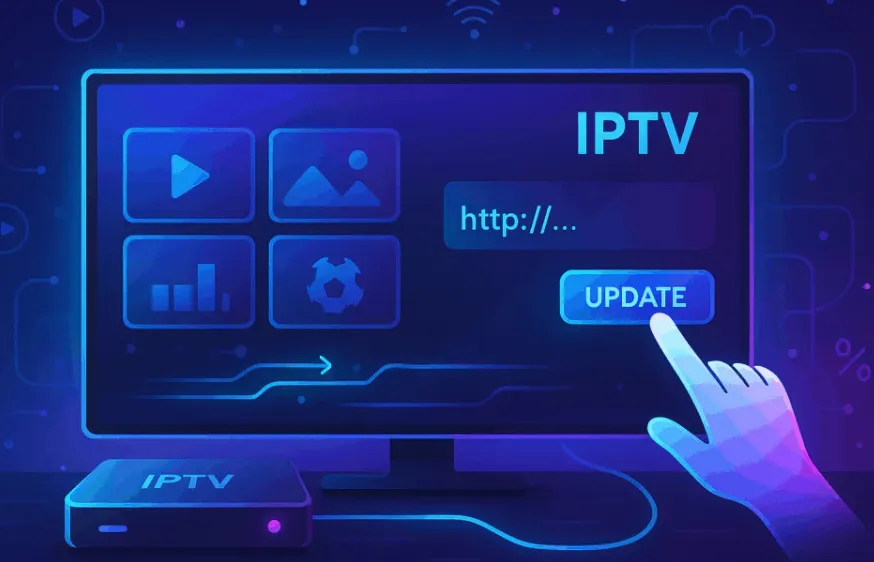
In recent years, the digital entertainment landscape has undergone a significant transformation. Traditional cable subscriptions are declining, as more consumers turn to internet-based solutions for their television needs. According to recent reports, streaming platforms are projected to surpass 90% of global households by 2028, reflecting a substantial shift in viewing habits. Among these alternatives, ip tv services have emerged as a convenient and flexible solution for audiences seeking a tailored viewing experience.
What Makes IPTV Different from Traditional TV?
IPTV, or Internet Protocol Television, delivers content through internet connections rather than conventional broadcast or cable formats. This allows users to stream live channels, on-demand content, and specialized programming with minimal delays. Unlike traditional TV, IPTV provides adaptive streaming quality, ensuring optimal viewing even under varying network conditions. Market surveys indicate that nearly 65% of internet users prefer streaming services that offer flexibility and content personalization, which directly benefits IPTV platforms.
How Widespread is IPTV Adoption Globally?
Adoption rates for IPTV are climbing steadily across North America, Europe, and Asia. Data from industry analytics reveal that in 2025, more than 220 million households worldwide are expected to use IPTV services. Europe leads the adoption curve, with over 40% of households subscribing to some form of internet-based television. The trend highlights the global appetite for accessible, high-quality digital content that traditional cable providers cannot match.
What Are the Key Advantages of IPTV?
The popularity of IPTV can be attributed to several core advantages:
- Flexibility and Mobility: Users can access content on multiple devices, including smartphones, tablets, and smart TVs, providing viewing on the go.
- Variety of Content: From sports channels to international programming, IPTV platforms often offer an extensive library that traditional services cannot match.
- Cost Efficiency: Subscriptions for IPTV services are typically more affordable than bundled cable packages, making them attractive to budget-conscious consumers.
- Interactive Features: Many IPTV platforms incorporate features like catch-up TV, electronic program guides, and pause/rewind options for a more engaging experience.
Statistics suggest that viewers who use IPTV platforms spend, on average, 20% more time exploring content, highlighting its appeal as an interactive alternative to conventional broadcasting.
What Are the Challenges Facing IPTV?
Despite its rapid growth, IPTV faces challenges. Network reliability remains a critical concern; a stable, high-speed internet connection is essential for uninterrupted streaming. Additionally, regulatory hurdles in certain countries limit access to specific channels or content. However, technological advancements, including adaptive bitrate streaming and edge computing, are gradually mitigating these limitations.
What Is the Future Outlook for IPTV?
The future of IPTV is promising. Analysts project that by 2030, the global IPTV market could exceed $150 billion, driven by increased internet penetration, mobile device adoption, and consumer demand for customizable content. Integration with artificial intelligence for personalized recommendations, interactive advertising, and smart home ecosystems is expected to further enhance the user experience. IPTV is not just a temporary trend; it represents a paradigm shift in how audiences consume entertainment worldwide.
Conclusion
The growth of IPTV underscores a broader transformation in digital media consumption. Its ability to combine flexibility, affordability, and interactive features positions it as a leading choice for modern viewers. As adoption continues to rise, both providers and consumers stand to benefit from a streaming ecosystem that is dynamic, responsive, and tailored to individual preferences. For professionals and households looking to stay ahead of entertainment trends, IPTV is rapidly becoming an essential component of the viewing experience.